TMS Treatment in the South West: What Patients Should Know
Transcranial Magnetic Stimulation (TMS) and its variant, Repetitive Transcranial Magnetic Stimulation (rTMS), are making waves in the field of mental health. These non-invasive treatments use magnetic pulses to stimulate or inhibit specific brain areas, offering hope for those who haven't found relief through traditional therapies. Let's dive into what TMS and rTMS are, how they work, and the benefits they bring, especially for residents in Bristol, North Somerset, Somerset and Weston-Super-Mare.
What is Transcranial Magnetic Stimulation (TMS)?
TMS utilises targeted magnetic pulses to stimulate or inhibit areas of the brain linked with certain psychiatric and neurological conditions. This non-invasive technique has garnered approval from major health organisations due to its proven safety and effectiveness.
What is Repetitive Transcranial Magnetic Stimulation (rTMS)?
rTMS is a specific form of TMS where multiple pulses are delivered in a repetitive manner. Unlike TMS, which may involve single or a few pulses, rTMS delivers a series of pulses at regular intervals. This method is approved by the National Institute for Health and Care Excellence (NICE) in the UK and the Food and Drug Administration (FDA) in the USA to treat depression, among other conditions.
How Do TMS and rTMS Treatments Work?
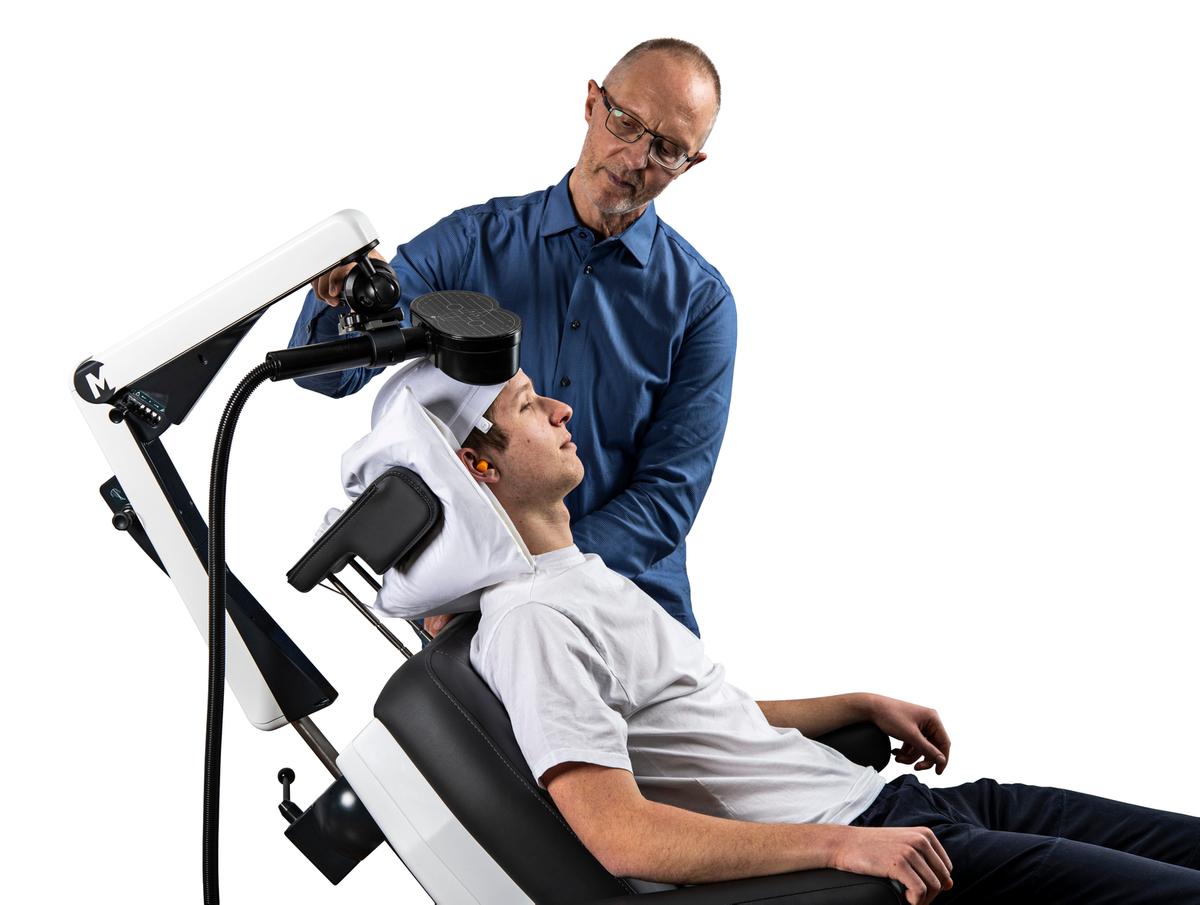
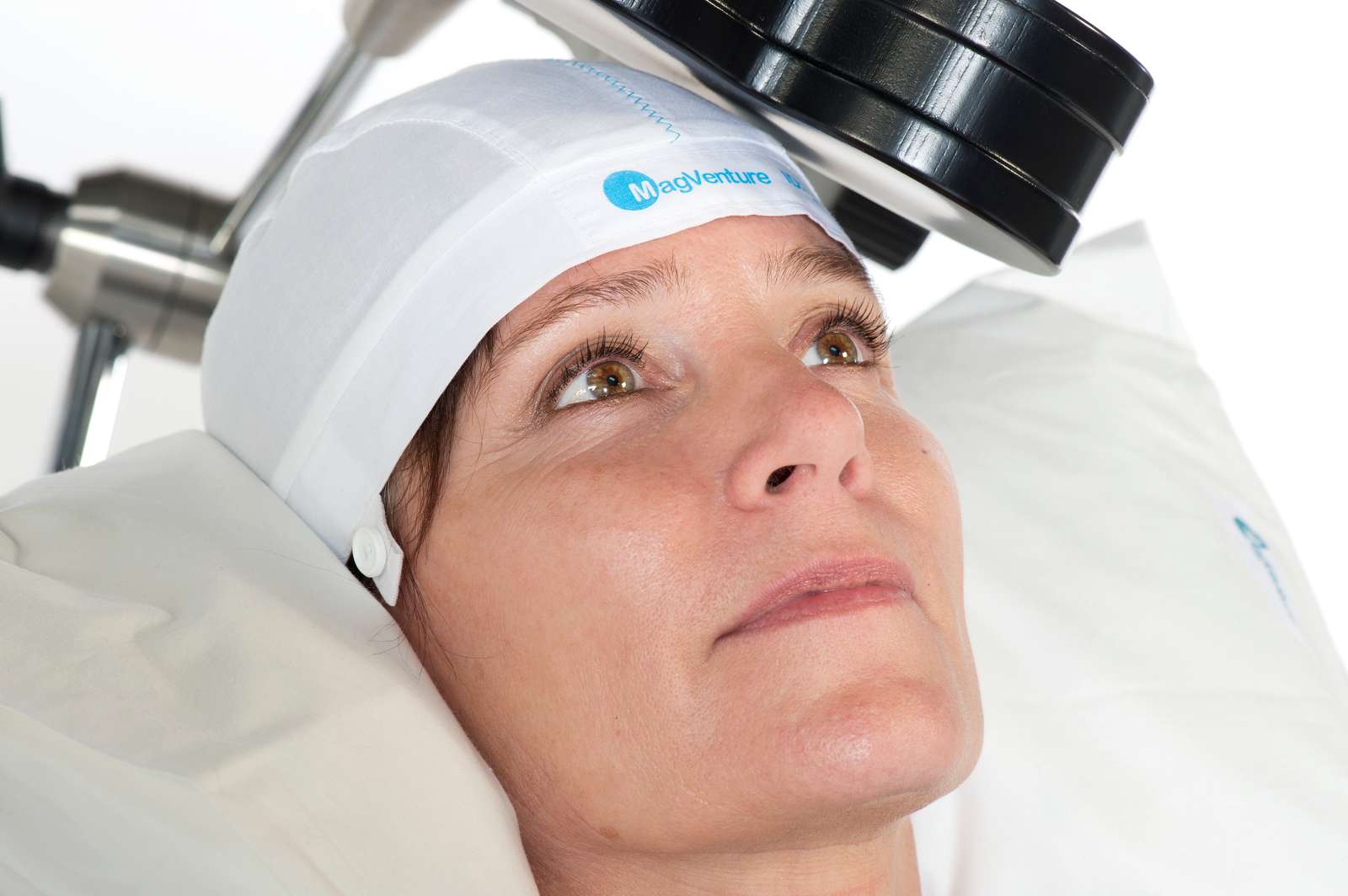
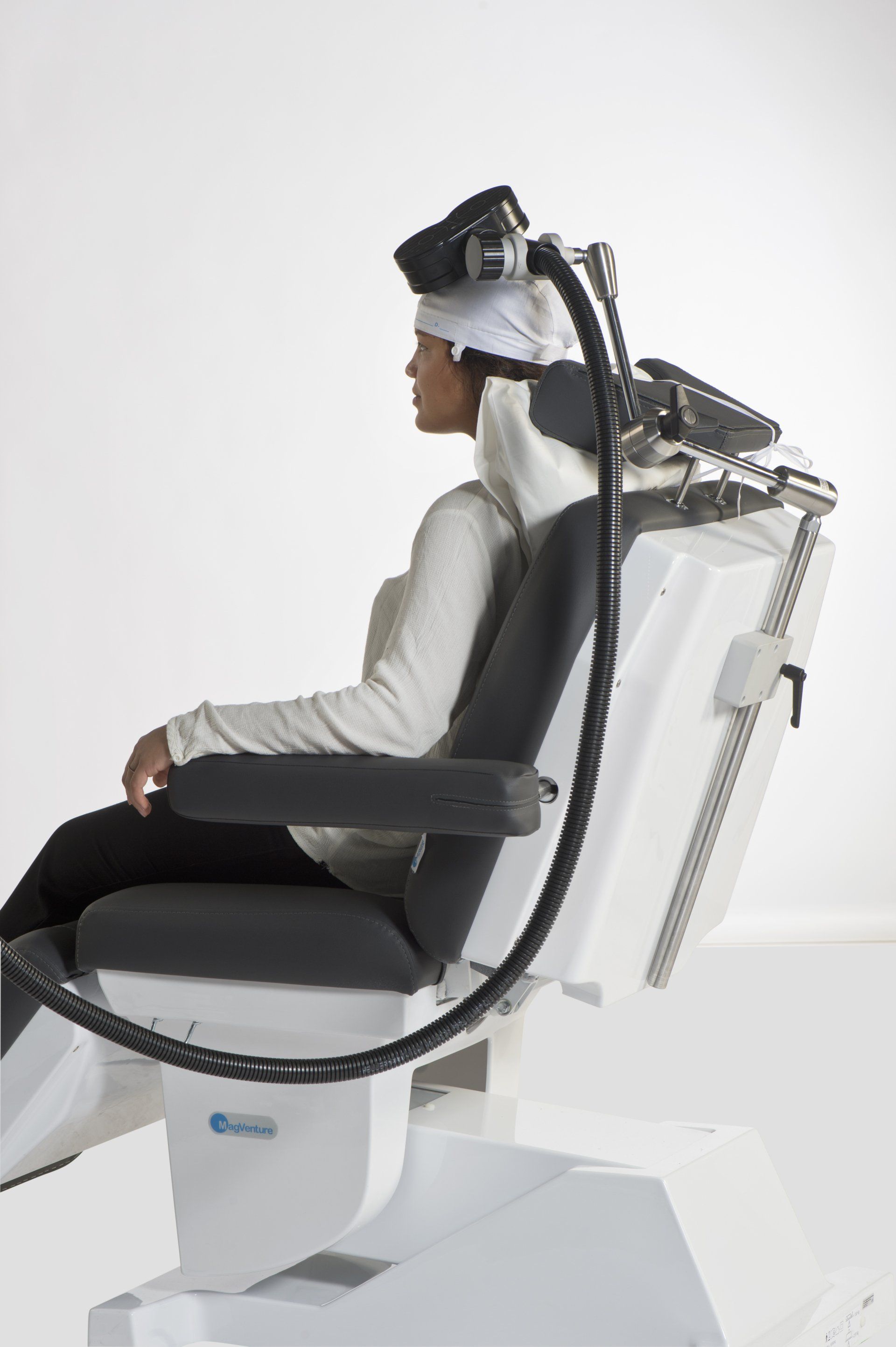
In various psychiatric and neurological conditions, certain brain parts function abnormally. rTMS offers targeted therapy to these areas. A magnetic pulse, generated from an electrical coil placed over the scalp, passes through the skull into the brain, inducing brief activity in the underlying brain cells. This alters brain activity, aiming to correct dysfunctional brain regions.
High-frequency rTMS promotes neuroplasticity, the brain's ability to mend and build connections between nerve cells. This helps restore normal brain function. Conversely, low-frequency rTMS reduces activity in overactive brain regions. Over repeated sessions, these changes help normalise brain activity.
Conditions Treated by TMS and rTMS
TMS and rTMS are effective for a variety of conditions, including:
- Addiction
- Depression
- Migraine
- Obsessive-Compulsive Disorder (OCD)
Benefits of TMS and rTMS Treatments
Choosing TMS and rTMS over other treatments comes with several advantages:
- Non-Invasive: No need for surgery or sedation.
- Effective for Treatment-Resistant Conditions: Ideal for patients who haven't responded to traditional treatments.
- Fewer Side Effects: Minimal side effects compared to medications.
- Personalised Treatment: Tailored protocols and target areas based on individual needs.
- Adjunctive Potential: Can be combined with other treatments for enhanced efficacy.
rTMS Treatment Process
A typical rTMS session lasts between 30 to 60 minutes, depending on the treatment parameters. The total number of sessions varies based on the condition and individual response, averaging around 30 sessions given over several weeks. Most people can resume their usual activities immediately after each session.
Who is a Candidate for TMS and rTMS?
TMS and rTMS are suitable for patients who:
- Haven't responded adequately to standard treatments like medications or psychotherapy.
- Can't tolerate medication side effects.
- Seek a non-invasive treatment option.
- Don't have contraindications for TMS, such as non-removable metal in or around the head, a history of epilepsy, recent strokes, or active substance abuse.
Side Effects and Risks of TMS and rTMS
TMS is generally well-tolerated with few side effects, including:
- Scalp irritation
- Mild headache
- Temporary hearing changes
- Rare instances of fainting or dizziness
- Low risk of seizure
Frequently Asked Questions
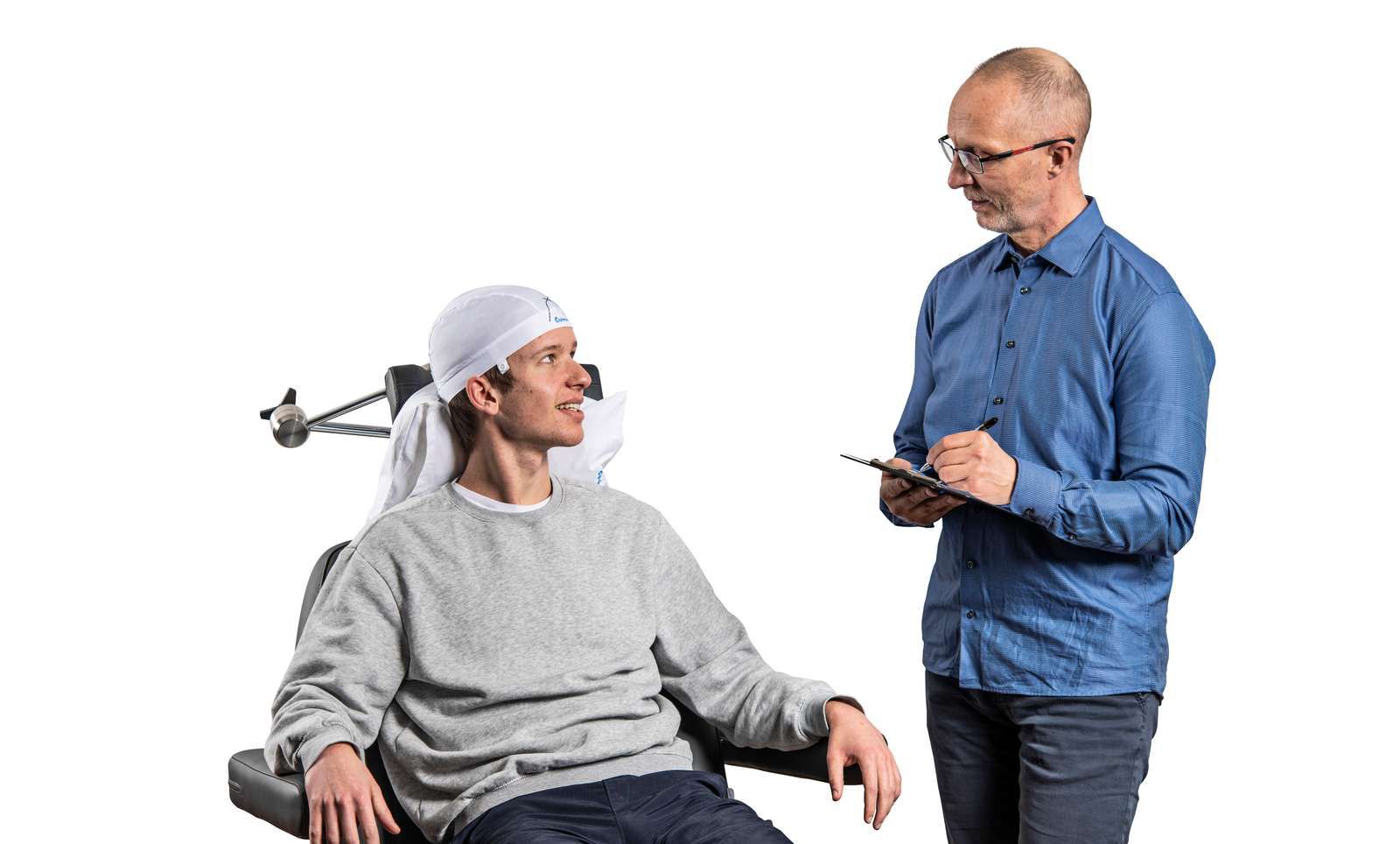
- Who administers TMS treatment? TMS is prescribed by a Consultant Psychiatrist and administered by a trained TMS technician under supervision.
- Who can't have TMS? TMS is unsuitable for individuals with non-removable metal in the head, a history of seizures, recent strokes, active substance use, or pregnancy.
- What happens at the first appointment? The first session includes an assessment, consent form signing, baseline questionnaires, and treatment explanation.
- Are there special preparations for TMS treatment? Remove any jewellery, hair accessories, and hearing aids. Ensure you eat and drink before the appointment.
Conclusion
Transcranial Magnetic Stimulation (TMS) and Repetitive Transcranial Magnetic Stimulation (rTMS) represent promising treatments for various psychiatric and neurological conditions. Their non-invasive nature, minimal side effects, and effectiveness for treatment-resistant cases make them appealing options. For residents of Southwest UK, including Bristol, North Somerset, Somerset and Weston-Super-Mare, accessing these innovative treatments is a step towards better mental health.
Feel free to contact AIM neuromodulation for more information and to schedule an initial no-obligation consultation with a Consultant Psychiatrist.
AIM Neuromodulation