Navigating the Future of Healthcare with AIM Neuromodulation
In the ever-evolving landscape of healthcare, AIM Neuromodulation stands out as a beacon of hope and innovation in the Southwest UK. By merging the expertise of leading Consultant Psychiatrists with groundbreaking neuromodulation therapies like Transcranial Magnetic Stimulation (TMS) and Transcranial Direct Current Stimulation (tDCS), AIM Neuromodulation offers personalised and effective care for mental health and neurological disorders. Let’s delve into how this revolutionary approach is transforming lives and providing new avenues of treatment for conditions such as depression, addiction, and migraine for patients in Bristol, North Somerset and Weston-super-Mare.
A Groundbreaking Collaboration in the Southwest UK
AIM Neuromodulation, founded in 2022, represents a unique collaboration between three Consultant Psychiatrists—Dr. Nathan Maynard, Dr. Radu Iosub, and Dr. Nick Airey—and Broadway Lodge, a leading recovery treatment centre in the UK. Based in Weston-Super-Mare, this partnership leverages Broadway Lodge's long-standing expertise in addiction recovery with AIM's advanced neuromodulation techniques, particularly in treating addiction.
Innovative Treatments for Mental Health and Neurological Disorders
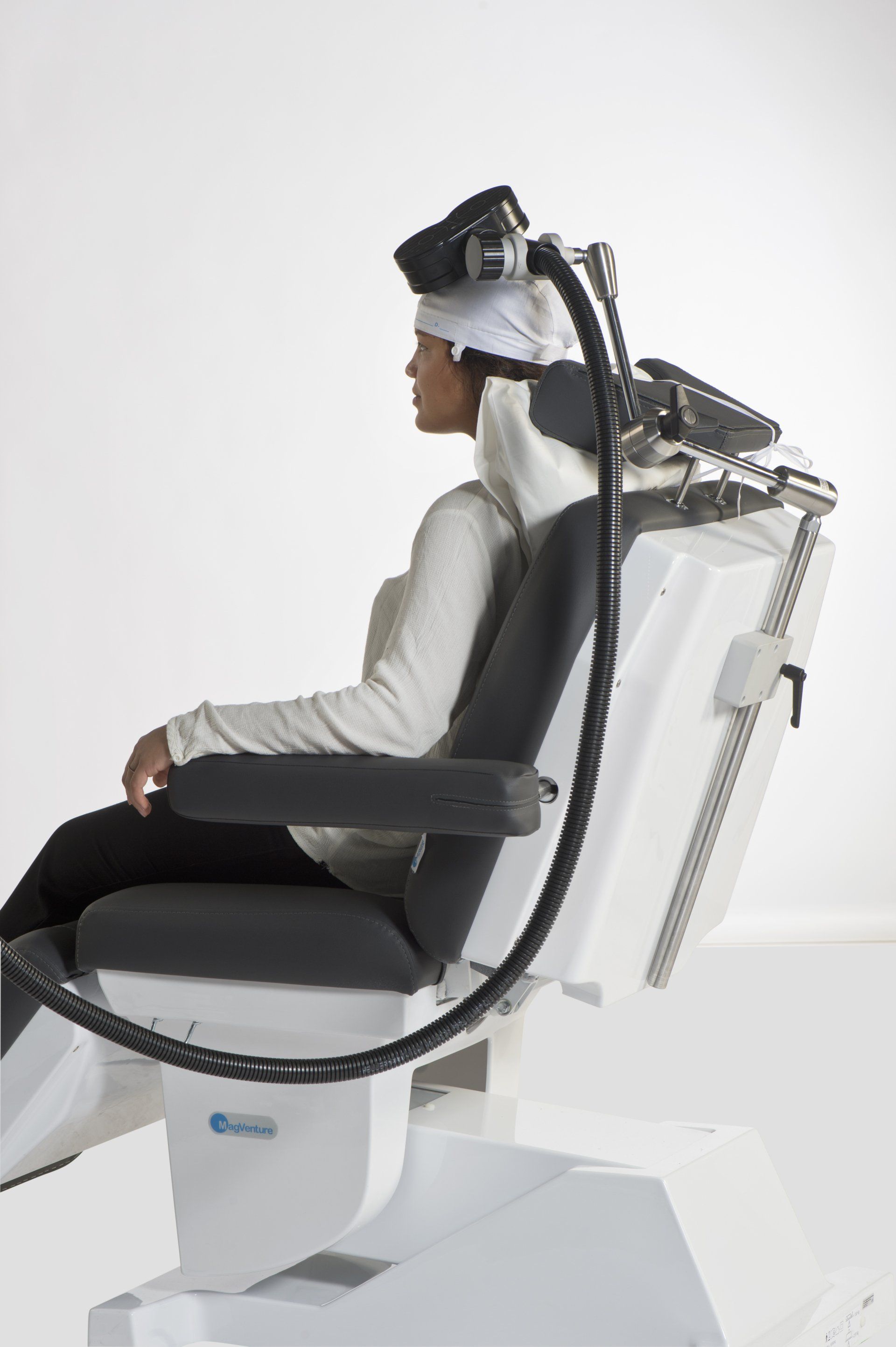
AIM Neuromodulation specialises in TMS and tDCS, both of which are non-invasive, non-pharmacological treatments showing significant promise, especially for patients who have not responded to traditional therapies.
Transcranial Magnetic Stimulation (TMS)
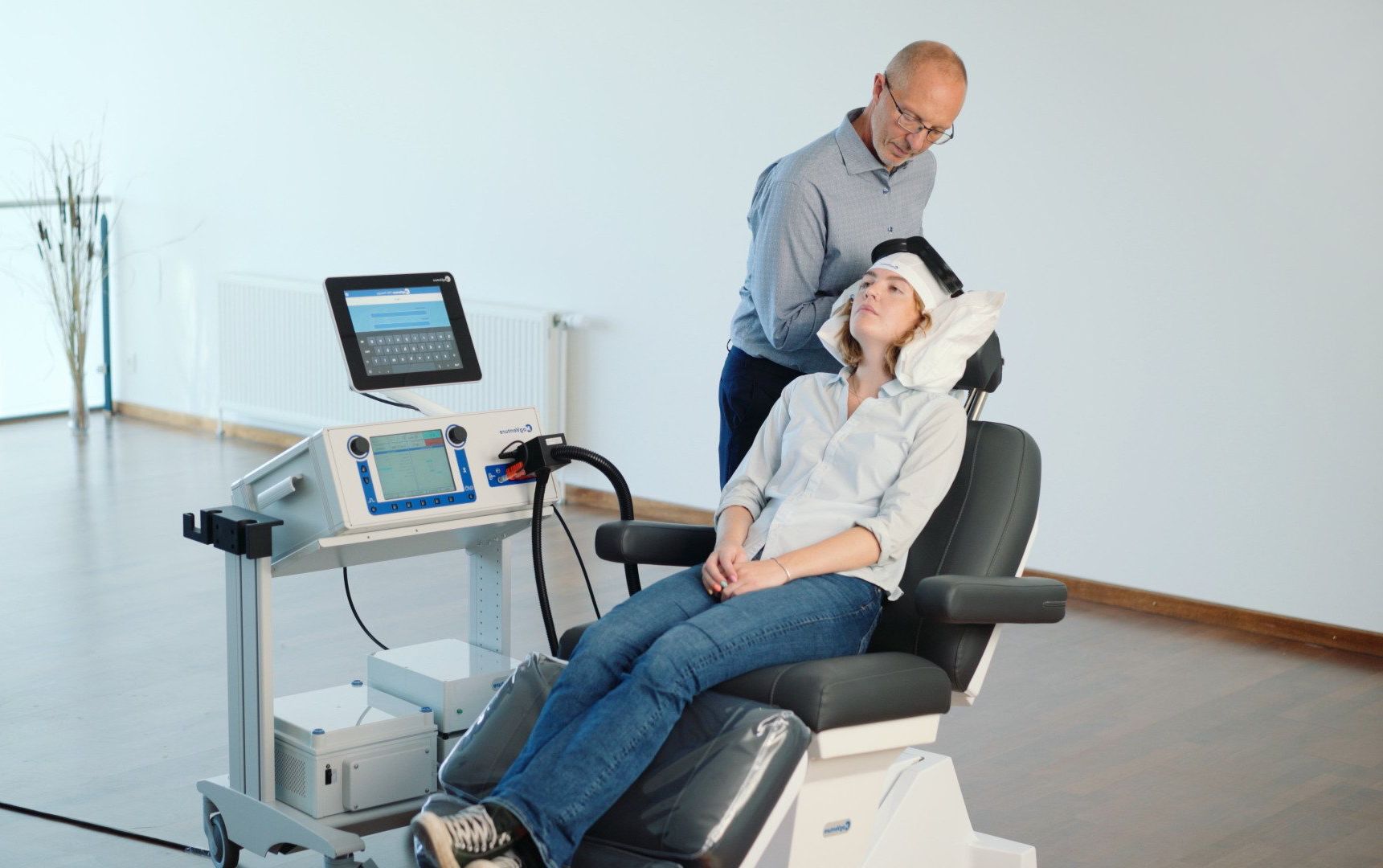
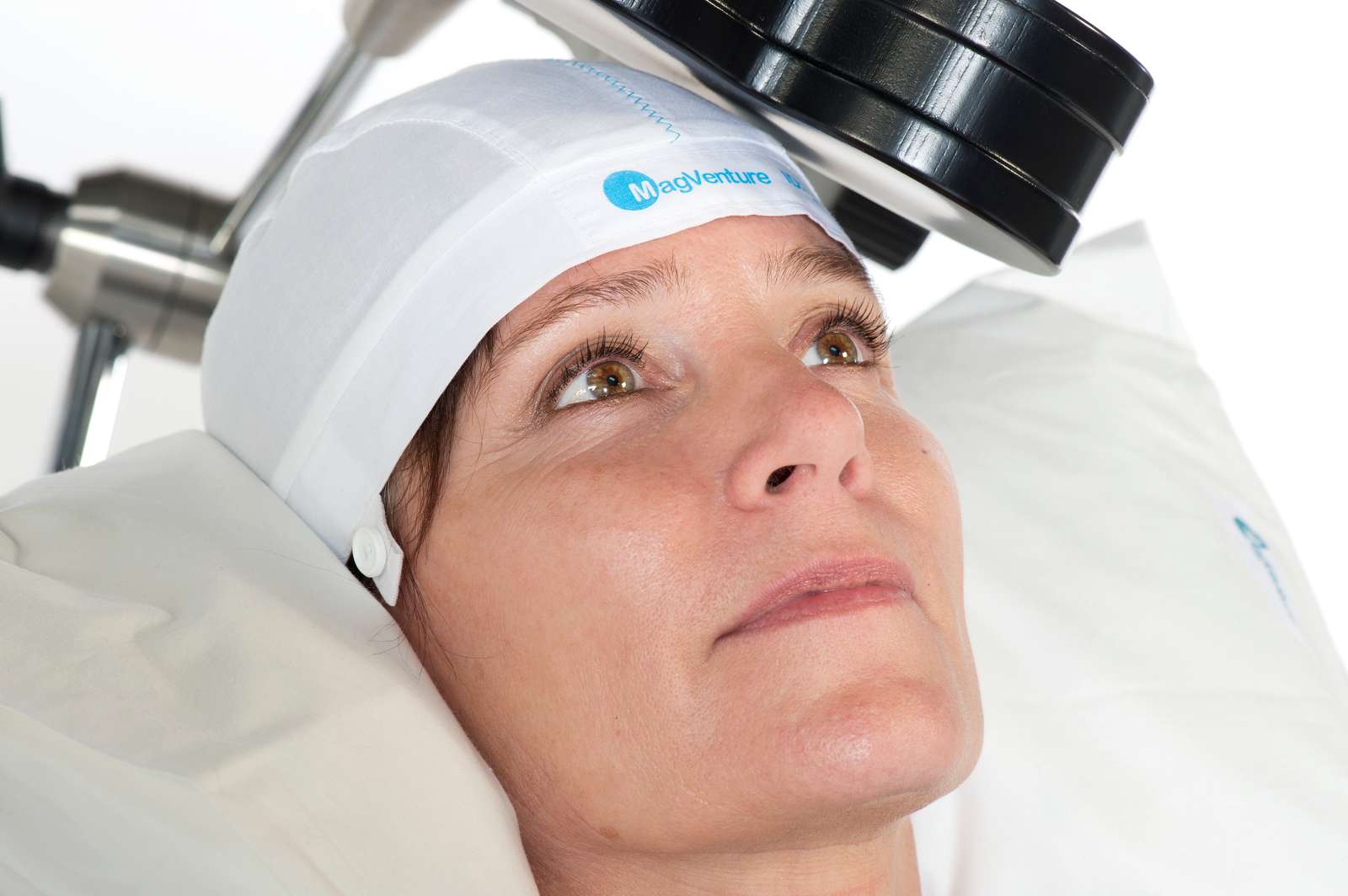
TMS utilises magnetic fields to stimulate nerve cells in the brain, recognised and approved by NICE since 2015, TMS has shown remarkable efficacy in alleviating symptoms in patients where medication and psychological therapies have not worked.
Transcranial Direct Current Stimulation (tDCS)
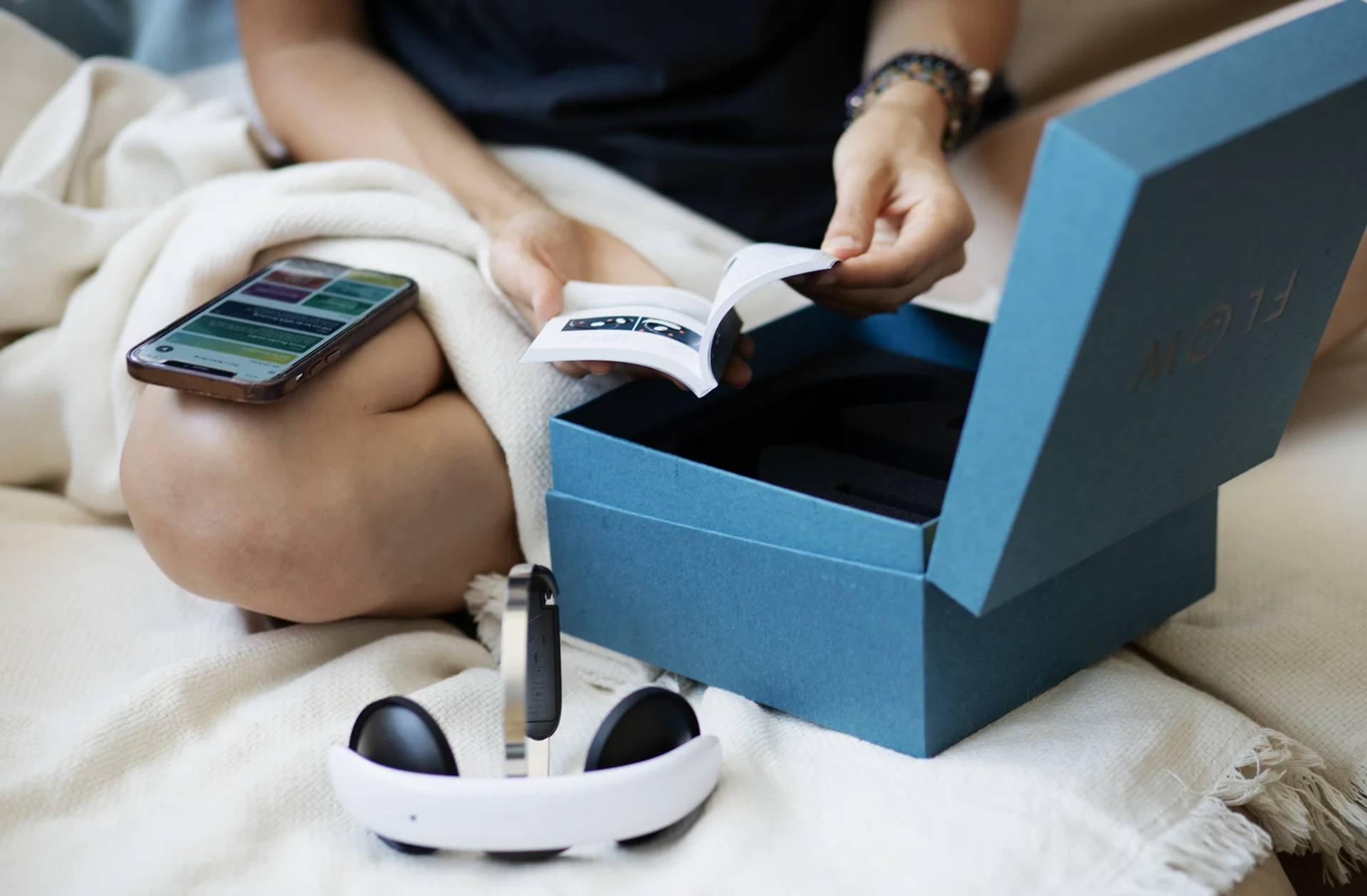
tDCS involves applying a low-intensity electrical current to targeted brain areas enhancing neuroplasticity and provides a safe and effective alternative to conventional treatments in treating depression.
The Patient Journey: From Initial Consultation to Recovery
At AIM Neuromodulation, the patient journey is designed to ensure comprehensive care and support at every step:
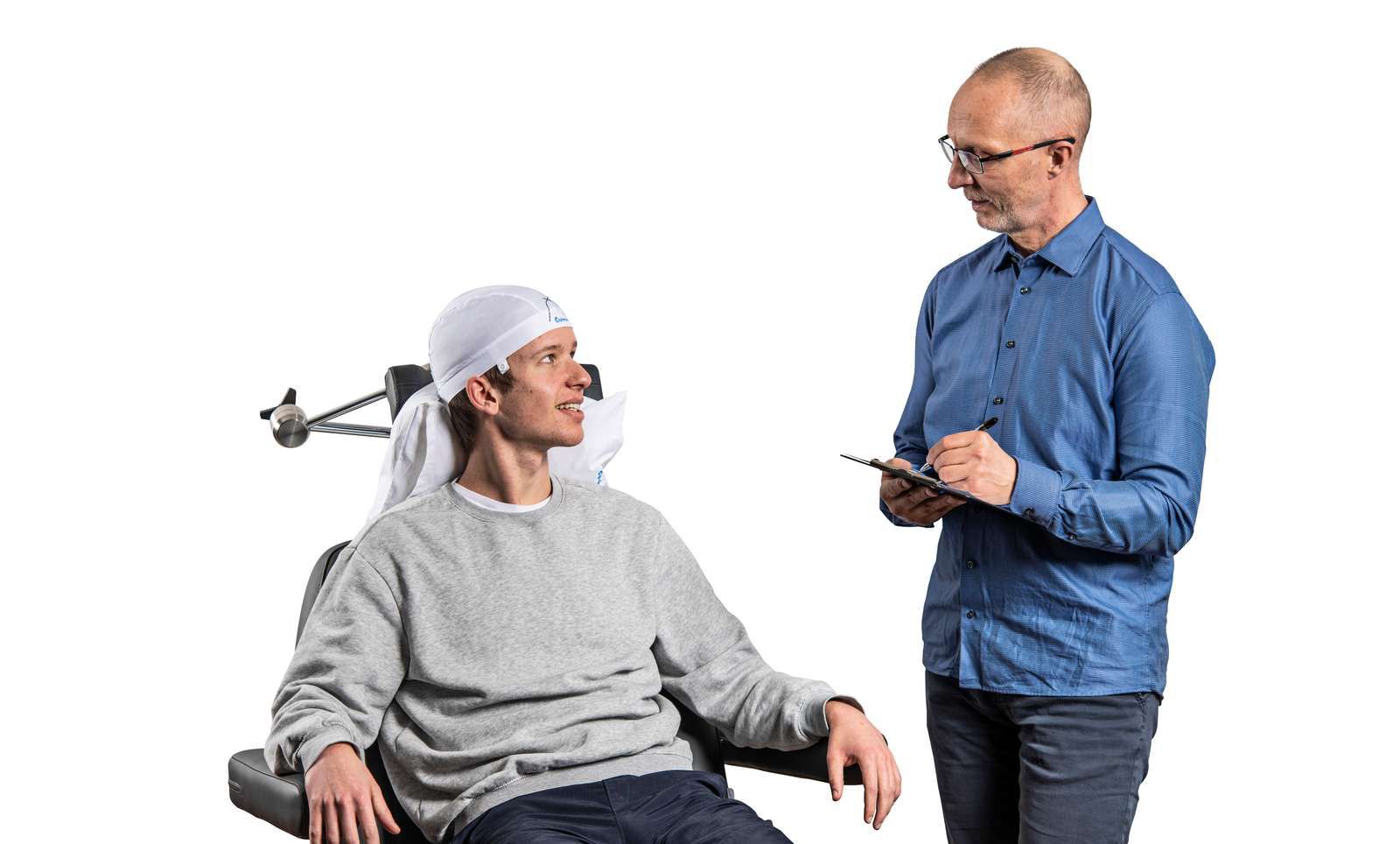
Initial Consultation: Patients start with a thorough assessment by a Consultant Psychiatrist, focusing on their medical history, symptoms, and treatment goals.
Personalised Treatment Plan: Based on the assessment, a tailored treatment plan is developed to address specific conditions.
Treatment Sessions: Patients undergo prescribed neuromodulation treatments, with each session typically lasting 20-40 minutes.
Monitoring and Adjustments: Progress is closely monitored, with regular follow-up appointments to assess effectiveness and make necessary adjustments.
Follow-Up Care: Post-treatment, patients have a review to assess effectiveness and provide additional recommendations for sustaining improvement.
Pioneering Research and Innovation
AIM Neuromodulation is not just about treatment; it's also deeply committed to advancing research and innovation in neuromodulation therapies. The organisation actively explores new applications for neuromodulation therapies from treating Obsessive Compulsive Disorder (OCD) to chronic pain. AIM has a specific interest in migraine treatment with rTMS which is backed by a growing evidence base, and are happy to discuss neuromodulation treatments for other conditions on a case-by-case basis.
Their focus on research ensures that patients benefit from the latest scientific advancements, positioning AIM Neuromodulation at the forefront of mental health and neurological treatment innovation.
Understanding Neuromodulation and Neuroplasticity
What is Neuromodulation?
Neuromodulation refers to therapeutic approaches that modulate nerve activity by delivering electrical or chemical agents to targeted areas. Techniques include electromagnetic stimulation (like deep brain stimulation or TMS) and pharmacological interventions targeting neural circuits.
What is Neuroplasticity?
Neuroplasticity is the brain's remarkable ability to form new neural connections. This capability allows the brain to recover from injury, adapt to new situations, and facilitate learning and memory formation. Neuromodulation therapies leverage neuroplasticity to enhance treatment outcomes for mental health and neurological conditions.
Meet the Expert Team
AIM Neuromodulation's strength lies in its expert team, each member bringing unique skills and extensive experience:
Dr. Nick Airey: With over 20 years in the NHS, Dr. Airey specialises in mental health and addiction treatment and has been a visiting clinician at Broadway Lodge.
Dr. Radu Iosub: Specialising in General Adult Psychiatry and Addictions, Dr. Iosub has a summa cum laude PhD and extensive training in Bristol.
Dr. Nathan Maynard: Leading the rTMS service at Somerset NHS Foundation Trust, Dr. Maynard is an honorary lecturer and psychiatry clerkship lead at Bristol University, Somerset Academy.
Conclusion: A New Era in Mental Health Care in the Southwest UK
AIM Neuromodulation is at the forefront of transforming mental health and neurological care. By combining innovative TMS Treatments and tDCS with personalised care, AIM offers new hope to patients struggling with conditions resistant to conventional therapies. With a strong focus on research and innovation, AIM Neuromodulation ensures patients receive the most effective and cutting-edge treatments available.
AIM Neuromodulation