
Consultant psychiatrist-led TMS for depression, addiction and migraine
In Weston-super-Mare, as an outpatient or alongside residential rehab at Broadway Lodge.
If treatment hasn't worked, or you're worried about relapse, there may be another option. We're three consultant psychiatrists offering TMS, which NICE guidance supports for depression. We're registered with the Care Quality Commission and recognised by Bupa.
What we treat
Consultant psychiatrist-led rTMS for adults, as an outpatient or alongside residential care in Weston-super-Mare.
Depression
For depression that has not improved enough with antidepressants or talking therapy. NICE guidance (IPG542) supports rTMS for depression.
Addiction
rTMS alongside residential addiction treatment at Broadway Lodge, Weston-super-Mare, as part of a consultant-led plan.
Migraine
A drug-free, non-invasive option for frequent migraine: a short course of rTMS after an assessment with a consultant.
We started AIM Neuromodulation in 2022: Dr Nathan Maynard, Dr Radu Iosub and Dr Nick Airey, three consultant psychiatrists. Our clinic is at Broadway Lodge in Weston-super-Mare, a residential addiction treatment centre since 1974. People staying there can add a course of TMS to their programme, and we treat outpatients too.
Too many people are left trying a third or fourth antidepressant because nothing else is offered. We call that clinical inertia. We treat depression, addiction and migraine, and we study what we do, including our own pilot study of TMS for addiction.
Two treatments, both led by a consultant
A consultant psychiatrist assesses you, agrees a treatment plan with you and reviews your progress. Both treatments are non-invasive and can help people whose symptoms haven't improved with medication or talking therapy.
Transcranial Magnetic Stimulation (TMS) Transcranial Magnetic Stimulation (TMS) is a non-invasive method that uses magnetic fields to stimulate nerve cells in the brain. It is an established treatment for depression, supported by NICE guidance (IPG542) since 2015, and can help people whose symptoms have not improved with medication or talking therapies.
Transcranial Direct Current Stimulation (tDCS) Transcranial Direct Current Stimulation (tDCS) applies a low-intensity electrical current to targeted areas of the brain, and is designed to support neuroplasticity. It is generally well tolerated and has shown promising results for depression in clinical trials.
What happens
1. Free call and assessment
It starts with a free phone call. Then you have a detailed assessment with a consultant psychiatrist, who goes through your history, symptoms and what you want from treatment. The assessment costs £200, which is deducted from the cost of treatment if you go ahead.
2. Personalised Treatment Plan
Based on the initial assessment, a tailored treatment plan is developed to address specific neurological or psychiatric conditions
3. Treatment Sessions
Allow about 45–60 minutes for each visit. How many sessions you need, and how often, depends on your condition and the treatment.
4. Monitoring and Adjustments
Throughout the treatment period, the patient's progress is closely monitored. Regular follow-up appointments are scheduled with a Consultant Psychiatrist to assess the effectiveness of the therapy and make necessary adjustments to the treatment plan.
5. Follow-Up Care
Upon completing the course of treatment, patients will have a review with a consultant psychiatrist assessing effectiveness, addressing any emerging concerns, and providing additional recommendations to sustain improvement. AIM Neuromodulation remains a resource for ongoing support as needed.
Frequently Asked Questions
What is neuromodulation?
Neuromodulation means changing how nerve cells signal, using magnetic or electrical stimulation. We use two kinds: TMS, given in clinic, and tDCS, which you can use at home under our supervision.
What is neuroplasticity?
Neuroplasticity is the brain's ability to form new neural connections. This ability allows neurons in the brain to recover from injury or disease, enables learning, memory formation, and to adjust their activities in response to new situations or changes in the environment.
Our Team
Dr. Nick Airey
MB ChB MSc MRCGP MRCPsych, consultant psychiatrist with over 20 years of NHS experience, specialises in mental health and addiction treatment, and has long served as a visiting clinician at Broadway Lodge rehabilitation unit.
Dr. Radu Iosub
DrMed (MBBS) PhD MRCPsych, Consultant Psychiatrist, specialises in General Adult Psychiatry and Addictions, with 15 years of experience. He holds a summa cum laude PhD and trained in Bristol.
Dr. Nathan Maynard
MPharm BM BS MRCPsych, a consultant psychiatrist specialising in neuromodulation, leads the rTMS service at Somerset NHS Foundation Trust. He is an honorary lecturer and psychiatry clerkship lead at Bristol University, Somerset Academy.
Our Blog
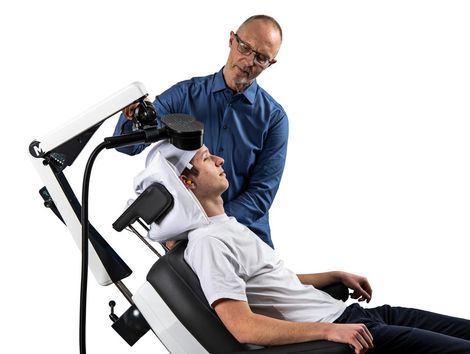
Why we offer TMS and tDCS, who they can help, and what treatment at AIM involves.
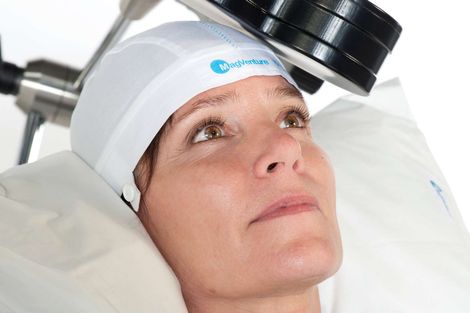
The Burden of Addiction Addiction is a complex condition, a brain disorder that is manifested by compulsive substance use despite harmful consequences. Millions of people worldwide suffer
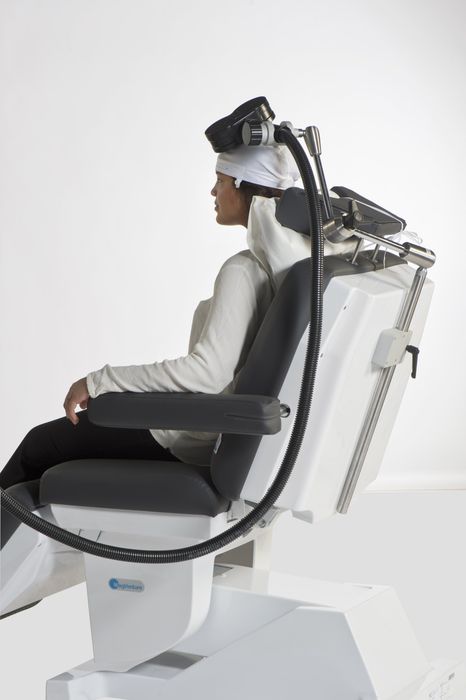
The Rising Interest in rTMS for Alzheimer's Treatment: An Overview